Boiling Water Taps vs. the Immersion: A Kitchen Dilemma
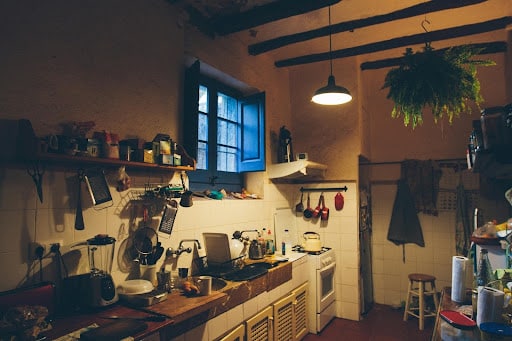
There is a ritual that most Irish households know well. You need hot water for a cup of tea, a bowl of pasta, or a quick clean-up at the sink. So you flick on the immersion, wait, check it again, and eventually get on with your day. It works, of course. But in 2026, it is worth asking whether it is really the most practical or cost-effective way to get hot water in your kitchen.
Boiling water taps have been growing in popularity, and for good reason. They deliver near-instant boiling or hot water directly from the tap, without a kettle, without waiting, and without the drama of whether someone left the immersion on all night. But they are not free, and they are not the right fit for every home.
In this guide, we compare boiling water taps and the immersion heater honestly and practically, so you can decide which makes more sense for your kitchen.
First, What Are We Actually Comparing?
The immersion heater is an electric element fitted inside your hot water cylinder. When switched on, it heats a large tank of water that is then available throughout your home for showers, baths, washing up, and the kitchen tap. It is brilliant for whole-home hot water needs, but it takes time to heat up (typically 45 minutes to an hour for a full tank) and uses a meaningful chunk of electricity to do so.
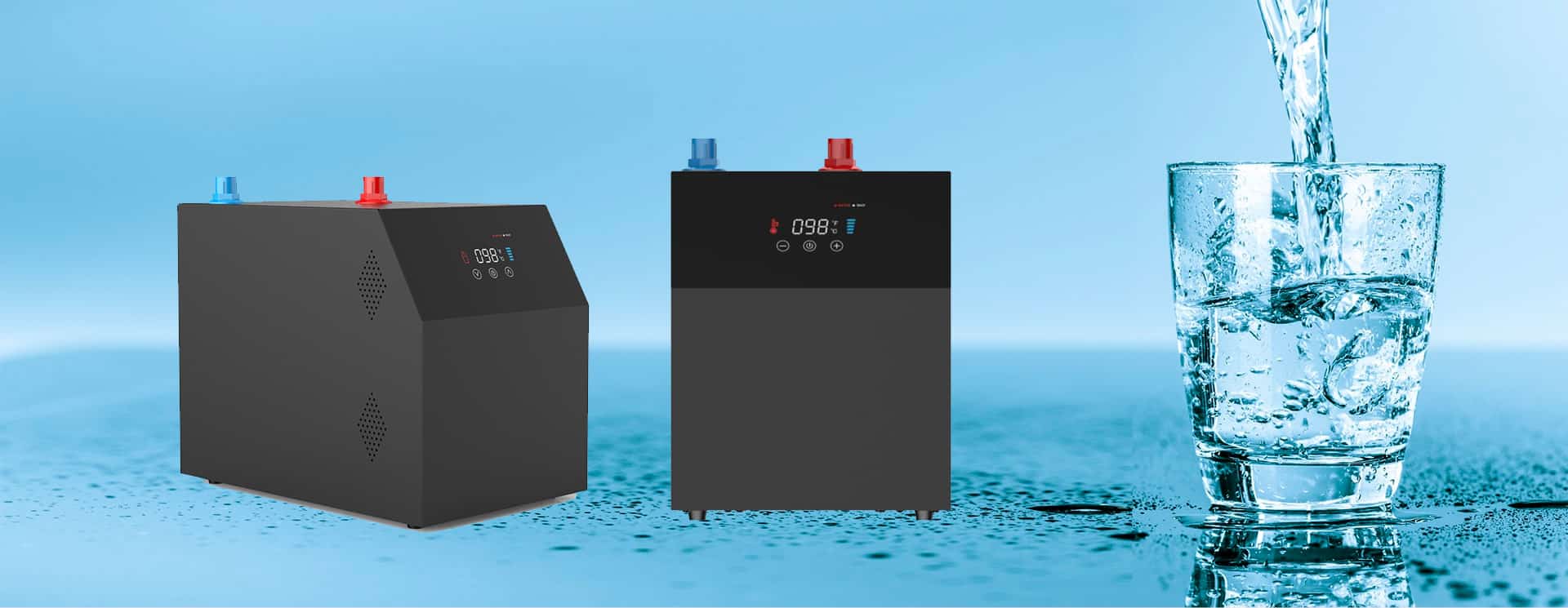
A boiling water tap, sometimes called a hot water tap or instant hot water tap, is a kitchen tap connected to a small insulated tank, usually housed under the sink. That tank keeps water at around 98 degrees Celsius, ready to dispense immediately. Most models also provide filtered cold water alongside the standard hot and cold functions, making them a genuinely versatile kitchen upgrade.
So the comparison is not really about replacing one with the other wholesale. The immersion heater serves the whole house. A boiling water tap is specifically for the kitchen. But there is genuine overlap in how households use the two, and that is where it gets interesting.
The Real Cost: Immersion vs. Boiling Water Taps
Cost is where most homeowners start, and rightly so. Irish electricity prices are among the highest in Europe, so running costs matter.
Running an Immersion
A standard immersion heater is typically rated at 3kW. Heating a full 120-litre cylinder from cold takes roughly one hour, costing around 90 to 100 cents at current electricity rates (approximately 30 cent per kWh). If you are running it daily, that is roughly 330 to 365 euros a year just for hot water from the cylinder. If you have ever cringed at leaving it on by accident, that instinct is financially sound.
Running a Boiling Water Tap
A boiling water tap's under-sink tank is much smaller, typically 1.5 to 7 litres. It uses a low-wattage heating element to maintain water temperature throughout the day. On average, running a boiling water tap costs approximately 12 cents per day, which works out to roughly 3 to 4 euros per month. You can also turn the tank off overnight or when you go on holiday, reducing that further still.
For context, each time you boil a standard electric kettle, it costs roughly 3 to 8 cents, depending on your kettle's efficiency and how much water you put in. If your household boils the kettle four or more times a day (not unusual in many Irish homes), the daily cost quickly surpasses that of a boiling water tap. And that is before accounting for the common habit of boiling more water than you actually need.
To put it plainly: for kitchen-specific hot water needs, a boiling water tap is typically comparable to, or more economical than, relying on the kettle day to day. It is significantly cheaper than running the immersion for kitchen use alone.
Upfront Costs: What to Expect
The immersion heater is already installed in most Irish homes. If it is working, your upfront cost is zero. That is a significant advantage, particularly if you are not planning a kitchen renovation.
A boiling water tap, on the other hand, requires an upfront investment. Prices for a quality instant hot water tap typically start around €555 for an entry-level model, such as the Revista 3-in-1 in Chrome. This rises to €800-€1,500 or more for premium designs with filtered cold and sparkling water. Installation adds a further 100 to 200 euros in most cases, as the tap needs to be connected to your mains supply and a power socket under the sink.
That said, when you factor in the cost savings on daily hot water use and the removal of a kettle from your worktop, many households find the tap pays for itself within two to four years. For anyone doing a kitchen renovation, it is often a natural addition to the budget.
Convenience: The Day-to-Day Reality
This is where the boiling water tap genuinely pulls ahead. The immersion heater requires planning. You turn it on, you wait, you use the hot water, and ideally you remember to turn it off. If you need hot water at 11pm after it has been off all evening, you are waiting or going without.
A boiling water tap is always ready. Fill a pot for pasta directly from the tap in seconds. Make a cup of tea without a kettle. Rinse dishes with hot water on demand. For busy households or anyone who spends a lot of time in the kitchen, the time savings add up in a way that is easy to underestimate until you have lived with one.
There is also the worktop factor. Removing the kettle from the kitchen counter is a small but satisfying gain, particularly in compact kitchens where space is always at a premium.
Safety: Are Boiling Water Taps Safe for Irish Homes?
A common concern, particularly for families with young children or elderly relatives, is whether a tap that dispenses boiling water is safe to have in the home. It is a fair question.
Modern boiling water taps are designed with safety as a priority. They typically require a deliberate two-step action to activate the hot water function, such as holding down a button while turning the handle. This makes accidental activation extremely unlikely, and much safer than a kettle that can be knocked off a worktop. The spout itself is also insulated to prevent burns from incidental contact.
That said, no appliance that dispenses near-boiling water is entirely without risk. Households with very young children or adults with cognitive difficulties may want to consider child-lock features, which are available on many models, or weigh up whether the convenience outweighs the supervision required.
Water Quality: A Point in the Tap's Favour
Water quality varies significantly across Ireland. If you live in a hard water area, limescale build-up in your immersion cylinder, kettle, and pipes is a familiar problem. Many boiling water tap systems include a built-in filtration system that removes limescale, chlorine, and other impurities before the water is heated.
This means better-tasting tea and coffee, reduced limescale deposits, and longer appliance lifespan. The filters do require periodic replacement (typically every six to twelve months depending on usage and local water hardness), but the cost is modest and the improvement in water quality is noticeable.
Does a Boiling Water Tap Replace the Immersion Entirely?
No, and it is important to be clear about this. A boiling water tap is a kitchen appliance. It heats a small tank of water specifically for use at the kitchen sink. It does not heat the water in your cylinder, and it does not power your shower, bathroom sink, or radiators.
Most homes will continue to rely on a boiler, heat pump, or immersion for whole-home hot water. What a boiling water tap does is take over the specific job of providing instant hot and boiling water in the kitchen, which is where much of the daily hot water demand actually sits.
If your household currently runs the immersion primarily to fuel kitchen tasks like cooking and washing up, the savings can be more significant. If you run it daily for showers and baths anyway, the kitchen overlap is a smaller part of the overall picture.
So, Which Is Right for You?
If you are renovating your kitchen, or if you find yourself boiling the kettle constantly and resenting it, a boiling water tap is a worthwhile investment that will pay for itself over time while genuinely improving your daily routine.
If your kitchen works well as it is and your budget is tight, there is no shame in sticking with what you have. The immersion heater is a solid, reliable system that has served Irish homes for decades.
The honest answer is that these two appliances serve different purposes, and many households will end up using both in some form. What a boiling water tap gives you is the ability to take your kitchen hot water needs off the immersion entirely, saving energy, saving time, and freeing up worktop space in the process.
For the right household, that is a genuinely compelling trade-off.
Explore Boiling Water Taps for Your Kitchen
At Hot Water Taps, we stock a range of boiling water taps suited to every kitchen style and budget, with options from trusted brands available with delivery across Ireland. Whether you are looking for a simple 3-in-1 hot water tap or a fully filtered 4-in-1 boiling water tap, our team is happy to help you find the right fit.
Browse our full range or get in touch with any questions.