Hydration Made Simple: How Much Water You Really Need Each Day
Water is essential for every part of the human body. It regulates temperature, protects tissues, keeps joints moving comfortably, and supports the digestive system. Yet despite its importance, most of us underestimate how much water we actually need to feel and function at our best. In Ireland, where the weather is cooler, and thirst can be less noticeable, it’s especially easy to fall into mild dehydration without realising it.
Understanding how much you should drink and making hydration effortless at home can significantly improve your energy, focus, and overall health.
Why Staying Hydrated Matters
Around half to two-thirds of the human body is made up of water, and it plays a role in almost every biological process. According to the Mayo Clinic, proper hydration helps maintain temperature, transport nutrients, flush waste, and protect joints and tissues.
When your fluid intake falls below your needs, you may begin to feel tired, sluggish, dizzy, or develop headaches. Even mild dehydration can affect concentration, digestion, and energy levels. These signs are your body’s early warning system, an indication that it needs replenishment.
How Much Water Should You Drink Each Day? (According to Irish & EU Guidelines)
For adults living in Ireland, a practical and evidence-based goal is to drink between 1.5 and 2 litres of fluids per day. This aligns with guidance from Safefood, which recommends around six to eight cups of fluid daily.
More specific guidance sets Adequate Intake levels at approximately 2.0 litres per day for women and 2.5 litres per day for men. The Food Safety Authority of Ireland (FSAI) adopts these same figures in its national dietary recommendations. These totals include water, tea, coffee, milk, and the moisture found in foods such as fruit and vegetables.
In practical terms, most adults meet their needs by drinking steadily throughout the day, rather than relying on a single large intake.
Factors That Can Increase Your Fluid Needs
Hydration needs are not identical for everyone. Physical activity significantly increases fluid loss through sweat. Even on warmer days, indoor heating, and strenuous work can all raise your daily requirements.
The HSE also notes that your body needs more fluids if you are unwell, particularly if you have a fever, are vomiting, or are experiencing diarrhoea. Pregnant or breastfeeding individuals also require additional water to support both their own body and their baby.
Older adults may need to be especially mindful, as the sensation of thirst naturally declines with age, even when the body needs more fluid.
How to Tell If You’re Drinking Enough
One of the easiest ways to check your hydration is by looking at the colour of your urine. According to guidance from the HSE and Safefood, pale yellow usually indicates good hydration, while darker shades suggest you may need more water.
Thirst can also be a useful signal, though it isn’t always reliable, particularly for older adults or anyone who gets busy during the day. Checking in with how your body feels, especially after activity, can help you stay ahead of dehydration.
Can You Drink Too Much Water?
Although rare, it is possible to drink excessive amounts of water in a short period, diluting important minerals in the blood. This condition (hyponatraemia) is uncommon, but it highlights the importance of drinking consistently rather than consuming very large amounts all at once. Regular, moderate intake is the safest and most effective approach.
Making Hydration Easy at Home
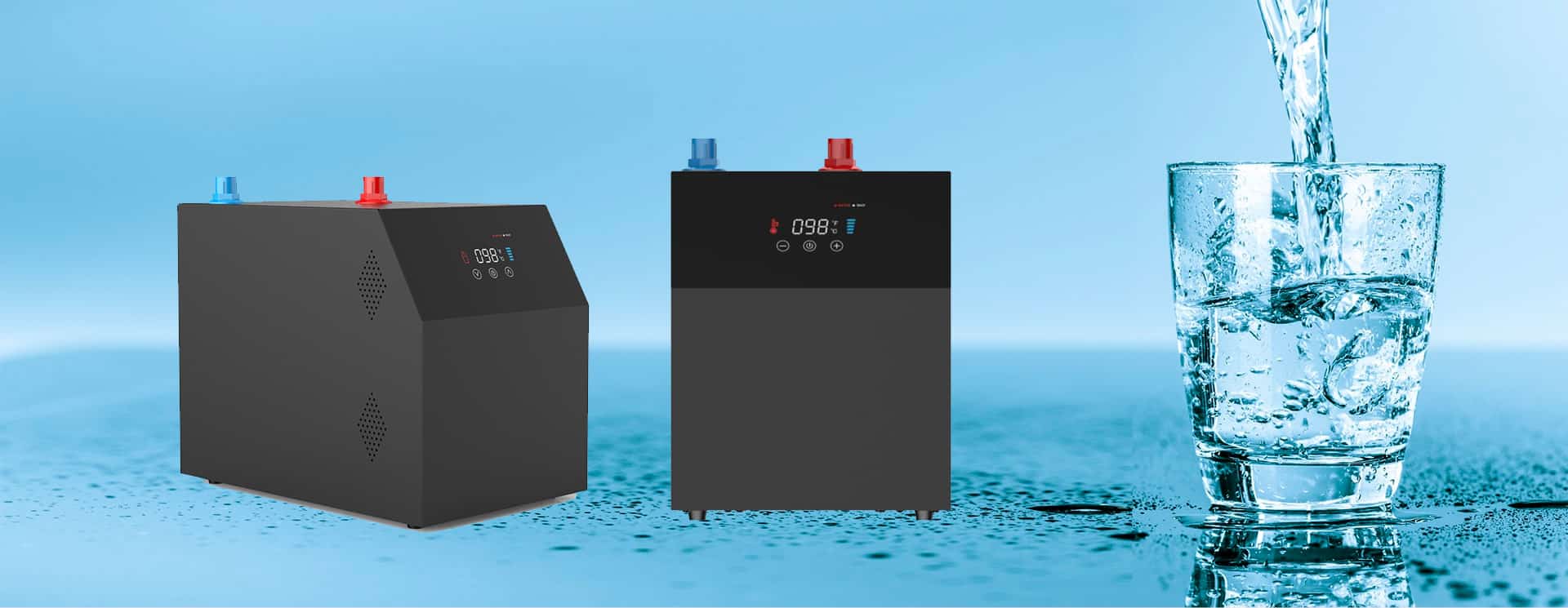
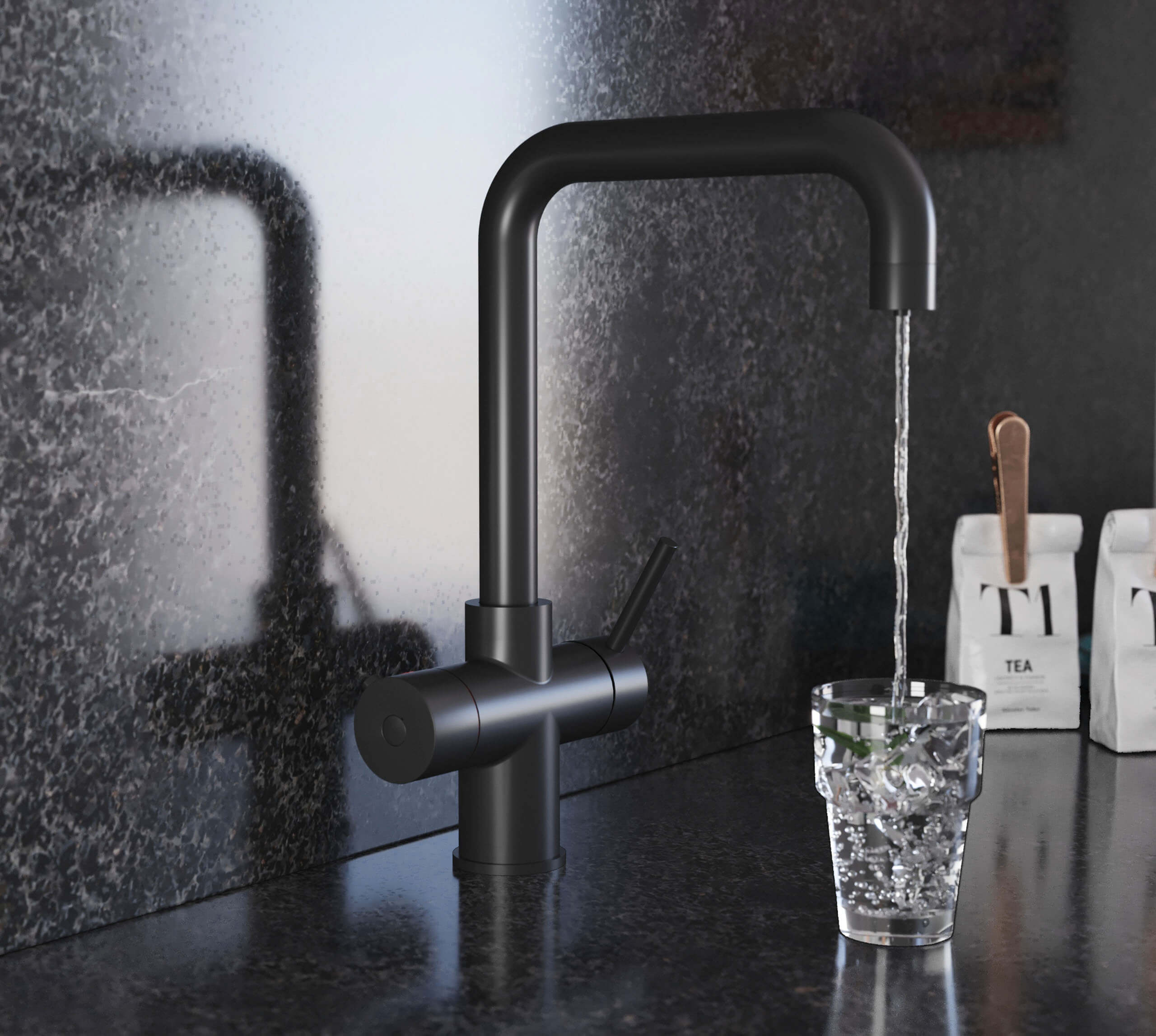
Having quick, convenient access to clean, great-tasting water makes a remarkable difference in how consistently you hydrate. Many Irish homes now use multifunctional hot water taps that dispense filtered, chilled, and boiling water instantly, removing barriers to healthy hydration.
We offer a full range of 4-in-1 boiling water taps designed to make drinking water easier and more enjoyable. With filtered water always available, refilling a glass or bottle becomes a habit you barely think about. For those already using these systems, replacing your filter every six months helps maintain water quality and flavour. Filter replacements can be found in the Filter Spares section.
These small conveniences can have a big impact on daily well-being.
The Takeaway
Aiming for 1.5 to 2 litres of fluid each day is a realistic and scientifically supported guideline for most adults in Ireland, with EFSA and FSAI offering precise reference values of 2 litres for women and 2.5 litres for men. Your ideal amount may shift depending on your activity, health, and environment, but listening to your body, and paying attention to simple cues like urine colour, can guide you.
With a reliable source of filtered water built into your kitchen, staying hydrated becomes effortless. And when hydration becomes easy, it naturally becomes part of your everyday routine, supporting better energy, clearer thinking, and long-term health.