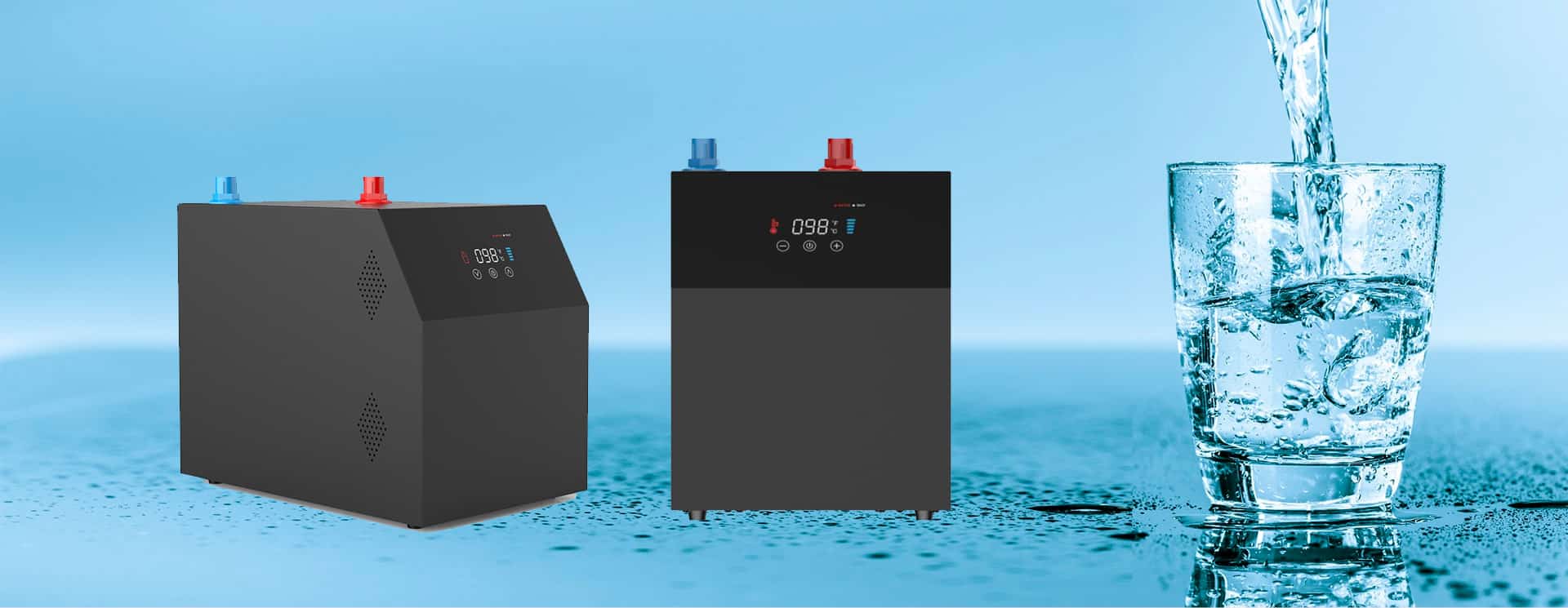
Modern Industrial Kitchens: Where Function Meets Character
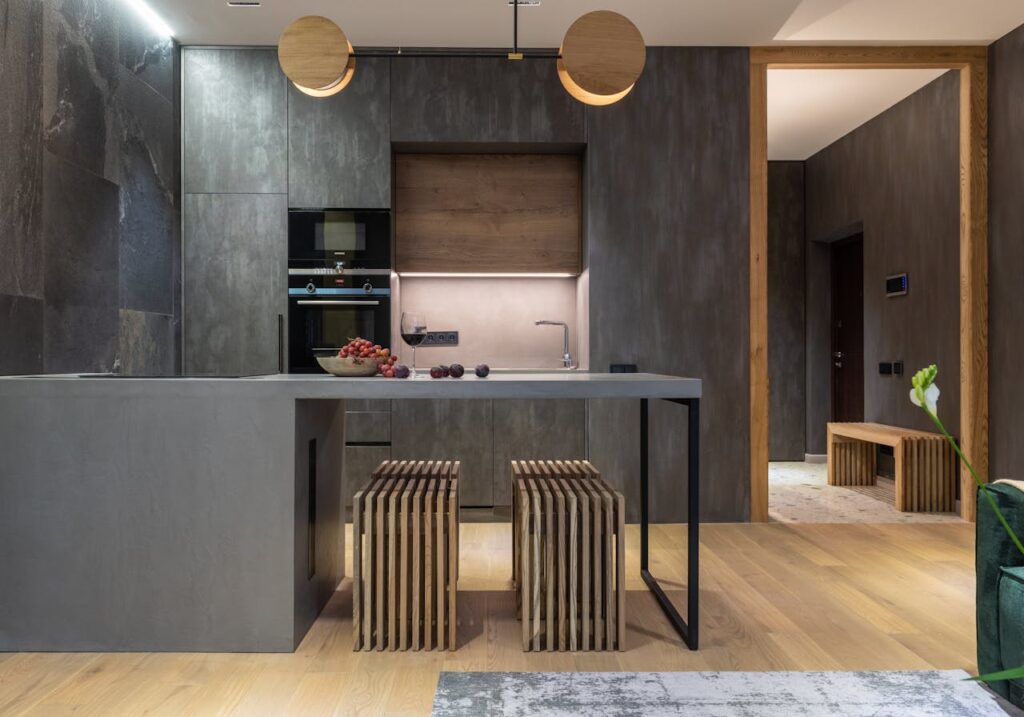
Modern industrial kitchens draw inspiration from old factories, warehouses, and professional cooking spaces. What was once purely functional has evolved into a popular interior style that values honesty in materials, practical layouts, and strong visual character. This approach suits contemporary homes that prioritise durability, usability, and a distinctive aesthetic.
Rather than hiding structure and services, industrial kitchens celebrate them. Exposed surfaces, robust finishes, and purposeful fixtures all play a role in creating a space that feels grounded and authentic, while still supporting modern living.
The Foundations of Industrial Kitchen Design
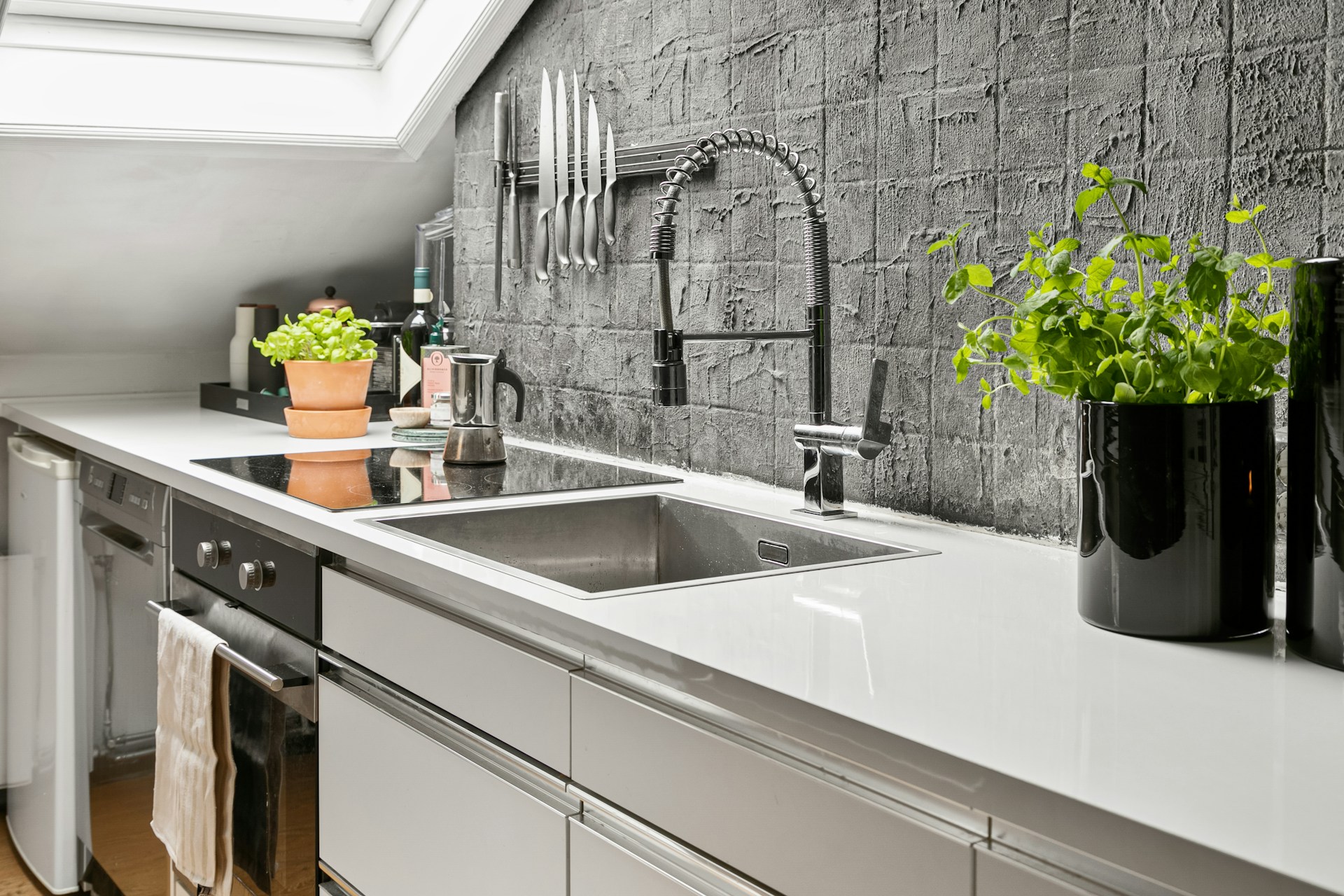
The industrial style is rooted in function. Open-plan layouts are common, allowing for easy movement and clear workflow between cooking, preparation, and cleaning zones. Materials are chosen for their resilience as much as their appearance, with metal, concrete, and solid timber forming the backbone of the design.
Within this framework, fixtures with clean lines and practical functionality sit most comfortably. A solution such as the Arcflow 3-in-1 Pro Flex taps fits naturally into this environment, offering a streamlined setup that complements the straightforward, work-focused ethos of industrial kitchens without drawing attention away from architectural features.
Materials That Define the Look
Materials are central to industrial kitchens and often define the space more than colour. Concrete worktops, whether polished or matte, provide a neutral surface that pairs well with metal and wood. Stainless steel cabinets and shelving reinforce the utilitarian feel while remaining easy to clean and maintain.
Against these harder surfaces, thoughtfully chosen fixtures help balance practicality and visual cohesion. The Aureum 3-in-1 taps, with their understated form, suit kitchens where material texture takes precedence. Their simplicity allows surrounding elements such as brickwork, timber shelving, or concrete finishes to remain the focal point.
Practical Layouts That Support Everyday Use
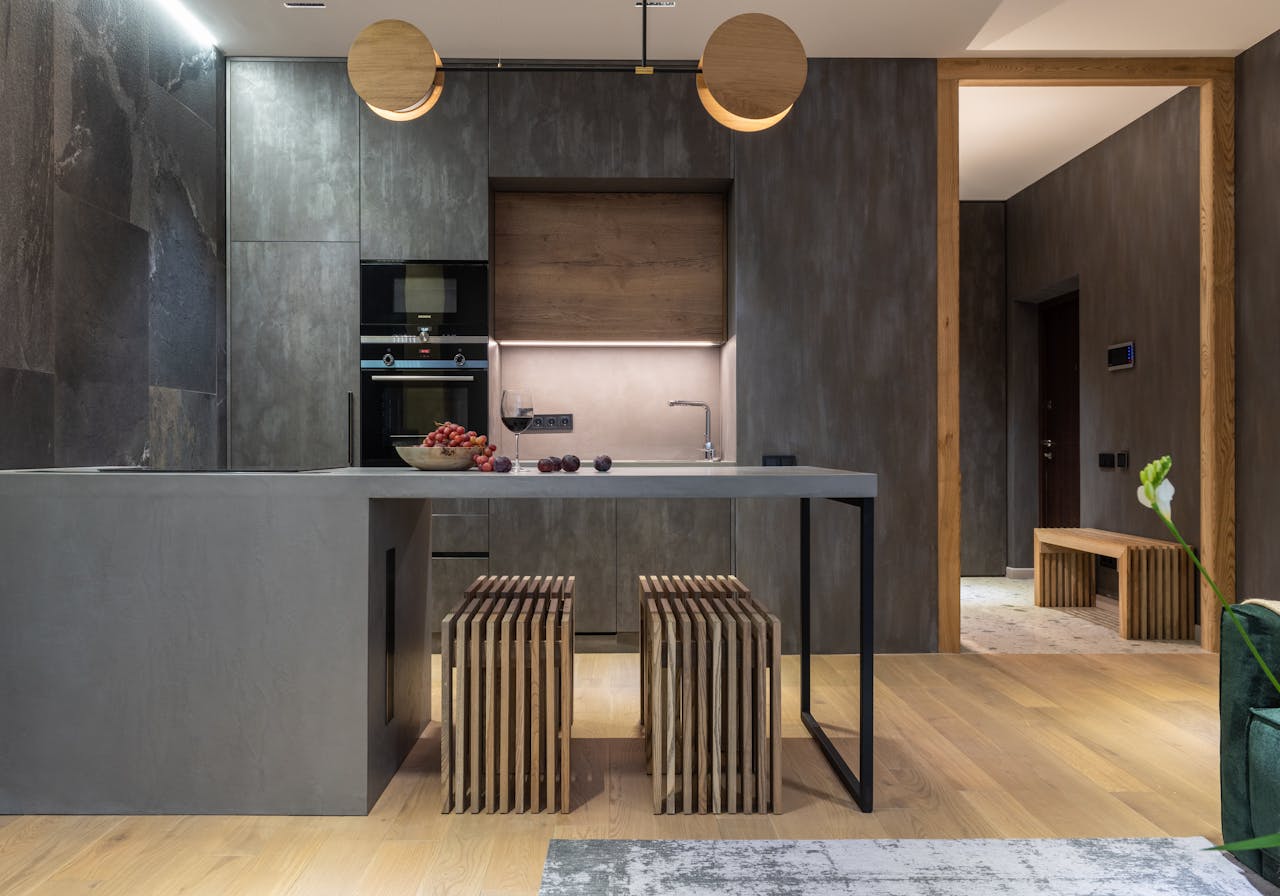
Industrial kitchens are designed to work hard. Wide preparation areas, generous sink zones, and clearly defined cooking spaces make daily tasks more efficient. Islands are often used as central workstations, doubling as informal dining or social areas.
In these layouts, every element needs to earn its place. A well-positioned tap that integrates seamlessly into the workspace supports efficiency without disrupting the visual flow. When fixtures align with the surrounding materials and layout, the kitchen feels considered rather than cluttered.
Lighting and Architectural Detail
Lighting plays an important role in industrial kitchens, both functionally and visually. Pendant lights with metal shades, exposed bulbs, or simple geometric forms echo the industrial aesthetic while providing focused task lighting over key areas such as islands or sinks.
Architectural details such as exposed beams, brick walls, or visible ducting add depth and authenticity. When paired with darker metal finishes, these elements create a cohesive look. A fixture like the Revisita D Shape Square Gun Metal Black tap works particularly well in this context, tying in with other dark or industrial metal accents without overpowering the space.
Softening the Industrial Aesthetic
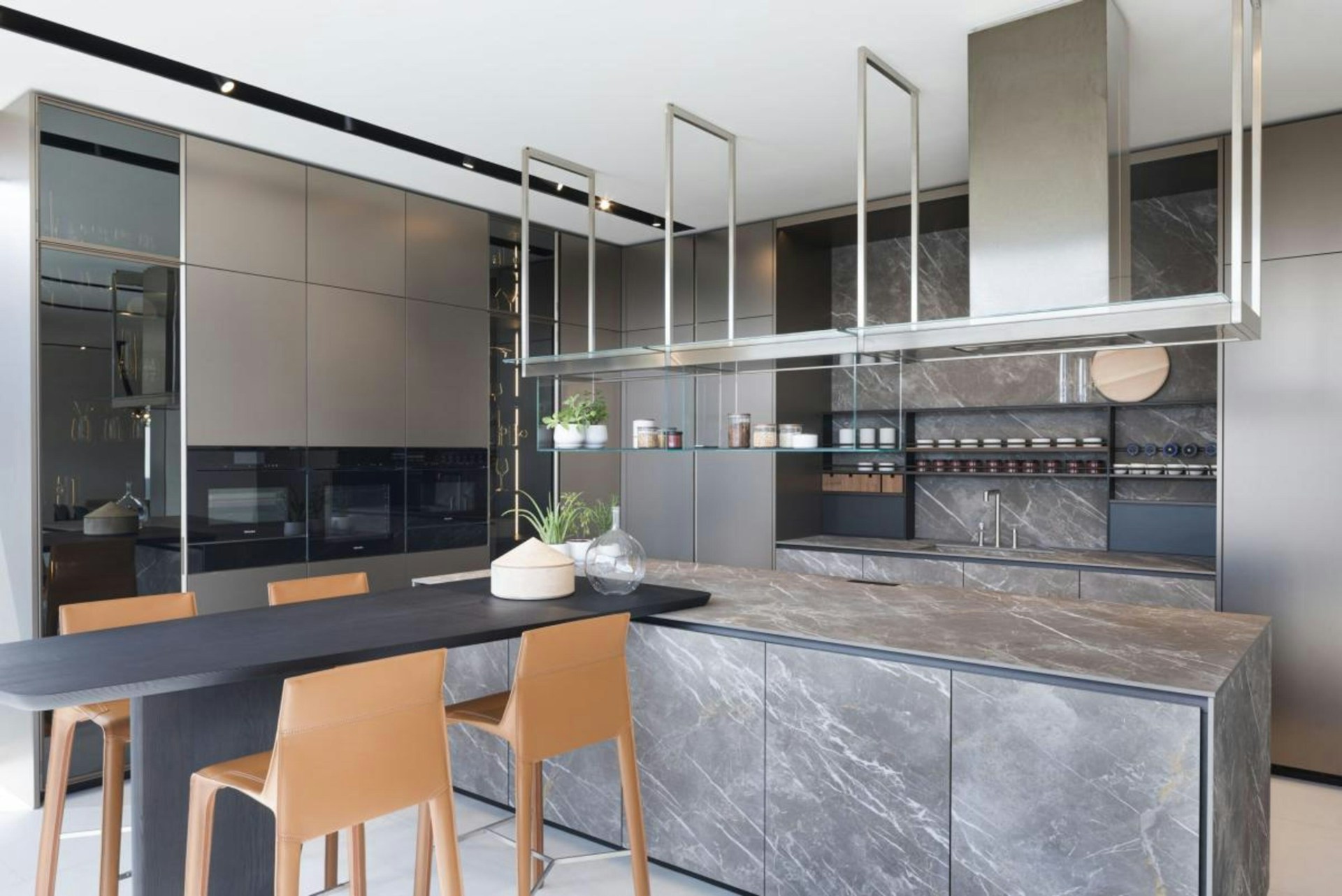
While industrial kitchens embrace raw materials, balance is essential to prevent the space from feeling cold. Timber accents, textured tiles, or muted colour palettes can soften the overall look while preserving its character. Even small additions, such as wooden stools or ceramic accessories, can introduce warmth and contrast.
The key is restraint. Industrial design works best when practical elements are allowed to speak for themselves, supported by subtle details that enhance comfort and usability rather than competing for attention.
An Industrial Kitchen That Feels Personal
One of the strengths of the industrial style is its flexibility. It can lean minimalist and modern or feel more rustic and lived-in, depending on how materials and finishes are combined. Natural light, personal accessories, and thoughtful layout choices all contribute to making the space feel welcoming as well as functional.
By focusing on robust materials, efficient design, and fixtures that integrate naturally into the environment, an industrial kitchen can support everyday life while offering a strong sense of identity.
Where Function Meets Character
Modern industrial kitchens succeed because they prioritise how the space is used, not just how it looks. Their emphasis on durability, openness, and honest materials makes them well suited to contemporary living. When each element is chosen with purpose, the result is a kitchen that feels confident, practical, and full of character.
With careful planning and attention to detail, the industrial approach offers a timeless foundation that can adapt to changing needs while retaining its distinctive appeal.